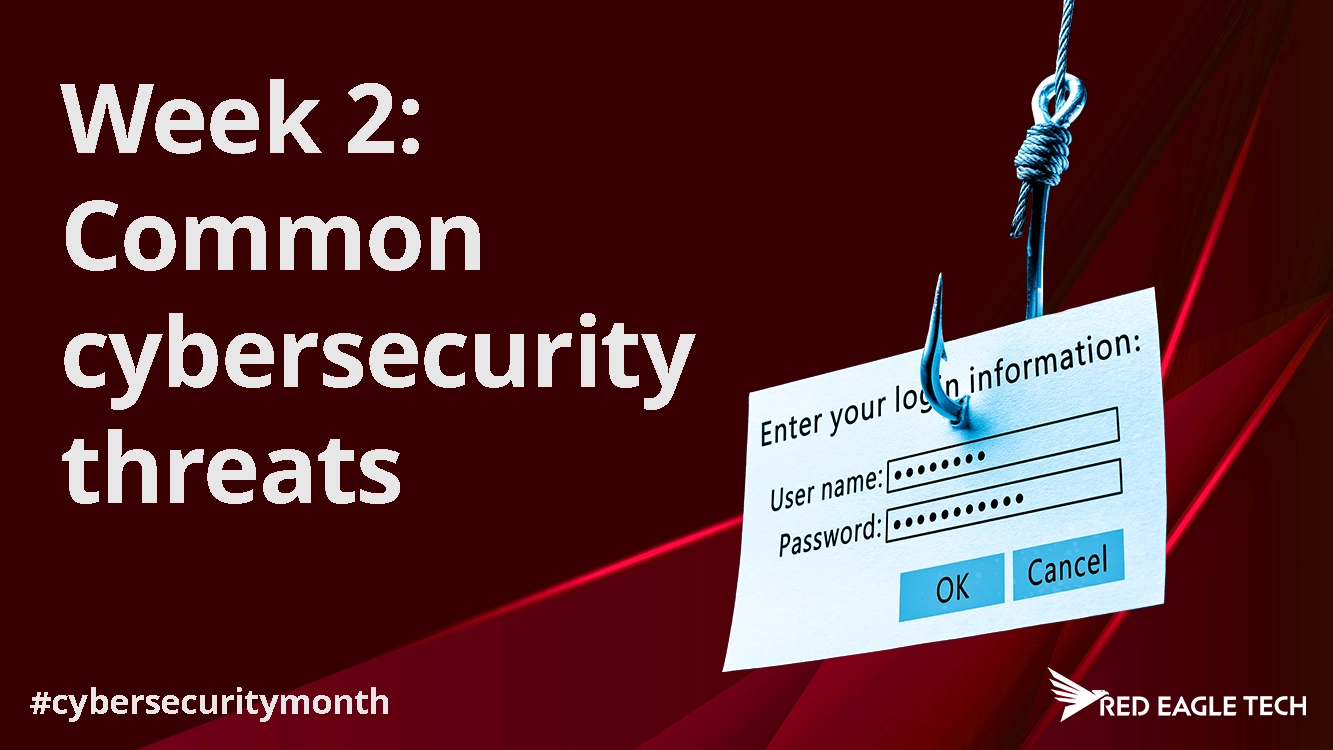
This week we're diving into the cyber threats you need to be aware of that pose a significant risk to your business. We'll take a look at three of the most prevalent threats — phishing, ransomware and malware. We'll understand how they work, their potential impact, and explore some real-world examples. Education is the key to success, right? So once you've got this under your belt, you can take steps towards protecting your business and creating a culture of cybersecurity awareness in your organisation. Let's jump in.
1. Phishing Attacks
How It Works:
Phishing attacks involve fraudulent communications, often disguised as legitimate emails, messages, or websites, designed to trick individuals into revealing sensitive information such as login credentials, financial details, or personal data. Attackers may use social engineering techniques (manipulation to fool users into making security mistakes or giving away sensitive information) to create a sense of urgency or trust, convincing the user to click on malicious links or download infected attachments.
Impact:
Successful phishing attacks can lead to unauthorised access to accounts, identity theft, financial loss, and the compromise of sensitive organisational data. This is bad enough, but phishing is often the entry point for more severe attacks, including data breaches and network infiltrations. Our IT Operations team regularly helps businesses recover from security incidents that began with a simple phishing email.
Real-World Example:
In 2024, a well-known financial institution fell victim to a sophisticated phishing campaign. Attackers sent fake emails that appeared to be from the institution's IT department, prompting employees to enter their credentials on a fake login page. This breach resulted in unauthorised access to customer accounts and significant financial losses. Implementing robust technology governance could have helped identify and mitigate these risks earlier.
2. Ransomware
How It Works:
Ransomware is a type of malware that encrypts a victim's files or entire system, rendering them inaccessible until a ransom is paid. Attackers typically demand payment in cryptocurrency, threatening to permanently delete or release sensitive data if the ransom is not paid. Modern ransomware attacks often involve double extortion, where attackers also steal data and threaten to expose it publicly.
Impact:
Ransomware attacks can cripple business operations, cause data loss, and lead to financial damages due to ransom payments and recovery costs. They can also damage an organisation's reputation and erode customer trust. Having proper security protection in place is essential for preventing these types of attacks.
Real-World Example:
A major healthcare provider experienced a ransomware attack that encrypted patient records and critical systems. The attackers demanded a substantial ransom, and while the organisation eventually paid, the attack caused widespread disruption to healthcare services and compromised patient privacy. Effective digital defence practices could have helped prevent this situation.
3. Malware
How It Works:
Malware, short for malicious software, encompasses various types of harmful software designed to damage, disrupt, or gain unauthorised access to systems. Common types of malware include viruses, worms, trojans, and spyware. Malware can be distributed through infected email attachments, malicious downloads, or compromised websites.
Impact:
The impact of malware can range from minor disruptions to severe damage, including data loss, system corruption, and unauthorised access to confidential information. Malware infections can also be used to create backdoors for further attacks or to exfiltrate data. IT downtime caused by malware can have significant financial implications for businesses.
Real-World Example:
A popular software application was found to contain a trojan that secretly installed itself on users' systems. Once installed, the trojan allowed attackers to monitor user activity, steal sensitive information, and manipulate system functions, leading to significant security breaches and data theft. A robust security checklist could have helped identify this threat before it caused damage.
Conclusion
Understanding the nature and impact of common cyber threats such as phishing, ransomware, and malware is crucial for building a strong defence against cyberattacks. By recognising these threats and implementing appropriate security measures, you can better protect yourself and your business from potential harm.
Next week, we'll focus on best practices for safeguarding your business and creating a robust cybersecurity strategy to mitigate these risks. Stay tuned to enhance your cybersecurity awareness and preparedness. In the meantime, if you need help securing your business against these threats, contact our IT Operations team for a comprehensive security assessment.

About the author
Ihor Havrysh
Software Engineer
Software Engineer at Red Eagle Tech with expertise in cybersecurity, Power BI, and modern software architecture. I specialise in building secure, scalable solutions and helping businesses navigate complex technical challenges with practical, actionable insights.
Read more about Ihor